
 By
By 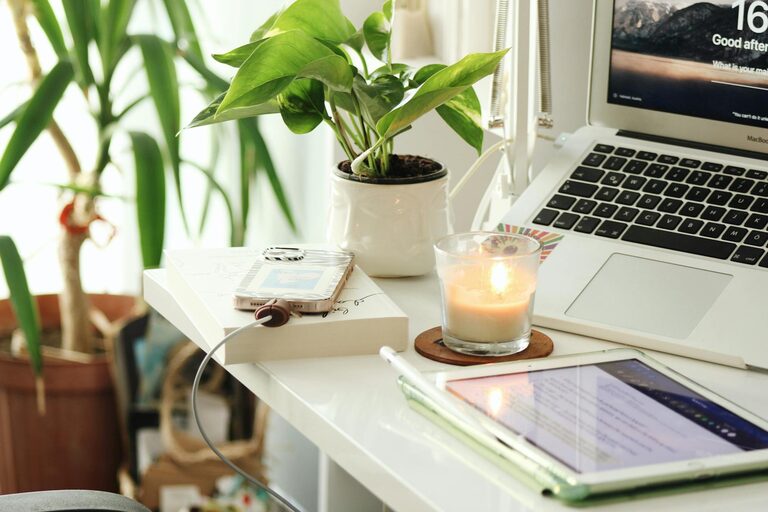
Creating a cozy and productive home office space is essential in today’s work-from-home environment. A well-designed workspace can improve focus, reduce stress, and make working from home an enjoyable daily routine. Whether you’re setting up a dedicated room or just repurposing a corner, the key is to combine comfort with functionality. Here are some useful tips to help you build the perfect home office that works for you.
Choose the Right Location
The foundation of a productive home office starts with choosing the right spot in your home. Consider these factors when selecting your location:
– Natural Light: Try to find a space near a window. Natural light helps improve mood and alertness, reducing the need for harsh artificial lighting during the day.
– Quiet Environment: Look for an area with minimal distractions and noise. If you share your home, try to find a space where interruptions are less likely.
– Adequate Space: Ensure there is enough room for your desk, chair, and storage without feeling cramped.
Invest in a Comfortable Chair and Desk
Your physical comfort is crucial for long hours of work. Poor posture or an uncomfortable desk can lead to pain and fatigue, which harm productivity.
– Ergonomic Chair: Choose a chair that supports your lower back and allows you to sit with your feet flat on the floor.
– Adjustable Desk: If possible, consider a desk that adjusts for sitting and standing. Standing desks promote better circulation and reduce discomfort.
– Desk Size and Layout: Make sure your desk surface is large enough to hold your computer and any other essentials, but not so large that it encourages clutter.
Organize Your Workspace
Clutter can negatively affect your focus. Keeping your workspace tidy and organized helps promote clear thinking:
– Storage Solutions: Use shelves, filing cabinets, or drawer organizers to keep supplies and documents stored but easy to reach.
– Minimalism: Keep only the items you use daily on your desk. Store the rest away to create visual calm.
– Cable Management: Use clips, sleeves, or ties to organize cords and prevent tangles.
Personalize Your Space
Adding personal touches makes your home office inviting and inspiring—but be mindful to avoid distractions.
– Plants: Adding greenery can improve air quality and bring a calming effect to your workspace.
– Artwork and Decor: Choose simple, positive, or motivational art pieces that lift your spirits without overwhelming the space.
– Lighting Fixtures: Invest in a good desk lamp with adjustable brightness to help reduce eye strain during late hours.
Optimize Lighting
Besides natural light, proper supplemental lighting is key, especially during evening or overcast days.
– Task Lighting: A focused light source on your desk will help reduce eye strain for detailed work.
– Ambient Lighting: Use soft overhead or wall lighting to evenly illuminate the room.
– Adjustable Settings: Consider lights with adjustable brightness and color temperature to customize your environment based on the time of day.
Minimize Distractions
Creating a focused environment helps maintain productivity throughout your work hours.
– Noise Control: Use noise-canceling headphones or white noise machines if you cannot control ambient noise.
– Clear Boundaries: If you live with others, communicate your working hours and create physical boundaries when possible.
– Digital Discipline: Use apps or settings that limit notifications during focus times.
Incorporate Functional Technology
Ensure your tech setup supports your work style and avoids frustration:
– Reliable Internet: A strong internet connection reduces downtime and supports video calls.
– Quality Equipment: Invest in a good monitor, keyboard, and mouse to enhance comfort and efficiency.
– Backup Systems: External hard drives or cloud services help protect important data.
Maintain a Routine and Cleanliness
A neat space encourages steady productivity, and a routine helps sustain focus.
– Daily Tidying: Spend a few minutes at the end of your workday organizing and cleaning your desk.
– Designated Work Hours: Stick to a regular schedule to help separate work and personal life.
– Break Areas: Step away from your desk during breaks to refresh your mind.
Conclusion
Designing a cozy and productive home office combines thoughtful layout, comfort, and organization. By selecting the right location, investing in ergonomic furniture, managing clutter, and creating a pleasant atmosphere, you can make your home office a place where work feels less like a chore and more like an inspiring part of your day. Remember, the best workspace is one tailored to your needs and preferences, so don’t hesitate to experiment and improve your setup over time.